The B2B Supply Chain Buyer’s Product Sourcing Guide for Retail
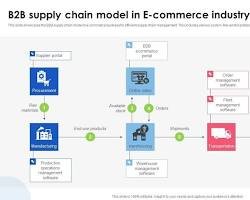
Modern retail success depends on speed, product quality, and reliable vendor networks. Every B2B supply chain buyer faces the complex task of finding trusted manufacturers while keeping operational costs low. Managing inventory delays and navigating shifting consumer trends requires a structured approach to inventory management.
This comprehensive product sourcing guide breaks down how professional buyers evaluate suppliers, streamline wholesale procurement, and execute specialized retail sourcing strategies to build resilient supply chains.
What is a B2B Supply Chain Buyer?
A B2B supply chain buyer is a procurement professional responsible for sourcing, purchasing, and managing goods from manufacturers or wholesalers to sell through business channels or retail storefronts. Unlike consumer purchasing, B2B buying involves negotiating bulk order quantities (MOQs), managing supplier contracts, evaluating vendor reliability, and aligning inventory flow with demand forecasts.
Core Pillars of the Product Sourcing Process
Sourcing products for retail distribution involves several connected steps. Skipping vendor verification or failing to set clear contract parameters leads to delayed shipments and stockouts.
1. Market Research and Supplier Discovery
Before reaching out to suppliers, procurement teams must define product specifications, acceptable quality limits (AQL), and target profit margins. Finding potential manufacturing partners involves:
- Direct manufacturer directories (e.g., ThomasNet, Kompass)
- Industry trade shows and B2B wholesale marketplaces
- Domestic vs. overseas production trade-off analysis
2. Request for Quotation (RFQ) and Negotiation
Once potential suppliers are shortlisted, send a structured Request for Quotation (RFQ). This document establishes commercial terms early in the process:
| Key Negotiation Factor | B2B Buyer Objective | Supplier Impact |
| Minimum Order Quantity (MOQ) | Lower inventory carrying risk | Dictates production efficiency |
| Unit Pricing Tiers | Maximize gross margin at scale | Tied to raw material costs |
| Payment Terms (Net 30/60) | Protect working capital cash flow | Requires credit evaluation |
| Production Lead Times | Prevent retail stockout events | Depends on factory capacity |
3. Sample Testing and Quality Control
Never place a full production run without ordering physical samples. Evaluate product durability, retail packaging standards, compliance certifications, and labeling accuracy before signing purchase agreements.
Navigating Specialized Retail Sourcing
Standard off-the-shelf catalog buying does not work for niche or boutique retail operations. Specialized retail sourcing focuses on acquiring custom, private-label, or highly specific merchandise tailored to distinct buyer segments.
Key Types of Specialized Sourcing Strategy
- Private Label Manufacturing: Working with white-label producers to create exclusive branded products with custom formulas, packaging, or features.
- Eco-Friendly & Ethical Sourcing: Partnering with suppliers that carry third-party sustainability certifications (e.g., Fair Trade, FSC, Organic) to meet consumer ESG expectations.
- Local & Small-Batch Sourcing: Working with domestic micro-manufacturers to reduce shipping lead times and maintain rapid restock capabilities.
Risk Mitigation Tactics for Procurement Teams
Supply chain disruptions directly impact retail sales. Modern procurement managers use three strategies to protect inventory availability:
- Dual Sourcing: Split orders between a primary low-cost overseas supplier (70% volume) and a faster domestic back-up supplier (30% volume).
- Buffer Stock Planning: Hold safety stock in regional warehouses to cover sudden spikes in demand or port delays.
- Regular Supplier Audits: Conduct annual compliance checkups covering factory labor conditions, financial stability, and quality metrics.
Frequently Asked Questions
What is the primary role of a B2B supply chain buyer?
A B2B supply chain buyer manages product procurement, vendor relationships, pricing negotiations, and inventory fulfillment strategies to ensure businesses maintain profitable stock levels.
How does specialized retail sourcing differ from traditional sourcing?
Traditional sourcing focuses on mass-produced, commodity items. Specialized retail sourcing targets custom designs, private-label goods, unique materials, or niche product lines tailored to specific customer groups.
What are the main benefits of using a structured product sourcing guide?
Following a standardized sourcing workflow reduces inventory risk, lowers unit procurement costs, prevents factory communication errors, and builds stable supplier networks.
Contact Us Details:
- Email: Growlixo01@gmail.com
- Pages available on site: About Us, Contact Us, Privacy Policy