Simple Diet Plan for Weight Loss
So I’ve decided to try to lose some weight. The Internet is not making it easier for me. So far I’ve found a load of websites telling me to cut carbs, eat at certain times of day and then buy some special powder to mix with water. I don’t need most of this though.
So, a good diet plan for weight loss beginners is one that involves sensible portion sizes, meals at regular times, and regularity. Weight loss beginners do not need to drastically limit their diets but can instead go for incremental changes in an effort to keep them healthy, in general, and in control of their calories.
1. Understand the Basics of Healthy Weight Loss
When a body consumes less energy from foods and drinks than it uses over time, weight loss occurs. It is referred to as a deficit.
But this does not mean skipping meals or starving yourself to reduce calories. You still need protein, carbs, healthy fats, vitamins, fiber, and minerals to keep the body functioning healthily.
A balance given to you can help you lose weight by keeping your energy levels up, protecting muscle and avoiding food restriction
2. Start Your Day with a Nutritious Breakfast
Breakfast is a great time to add extra fiber and protein to your daily diet. A healthy breakfast will help you feel satisfied and provide energy for your day.
Some healthy breakfast ideas:
– Oatmeal and fruit.
– Boiled eggs on whole-grain toast.
– Berries and nuts with plain yogurt.
– Omelets with vegetables.
– Whole grain toast with peanut butter.
Avoid sugary breakfast foods such as pastries and cereal.You don’t have to eat breakfast every day. Pick foods that can get off your taste. What works for live.
3. Include Protein in Every Main Meal
Protein is an essential nutrient with loads of functions in the body, containing muscle. Meals high in protein are also satiating and can help you stay full longer.
Some good sources of protein are chicken, fish, eggs, legumes, tofu, yogurt, and lean meat.
For example, you could have grilled chicken with vegetables for lunch or lentil soup for dinner. Vegetarians could substitute beans, chickpeas, and tofu.
Getting protein from different sources over the week can increase the variety in your diet
4. Choose Whole Grains Instead of Refined Carbohydrates
Carbohydrates provide energy, but be selective about carbohydrates.
Whole grains tend to be higher in fiber and nutrients than refined grain products. They may also help you feel full.
– Brown rice.- Rice (brown)
– Whole-grain bread.
– Oats.
– Barley.
– Pasta made from whole grains.
– Quinoa.
You can keep control of your weight without saying goodbye to rice, potatoes, and bread forever. Instead, simply watch your portions and pair your carbs with protein and vegetables.
5. Eat More Vegetables and Fresh Fruits
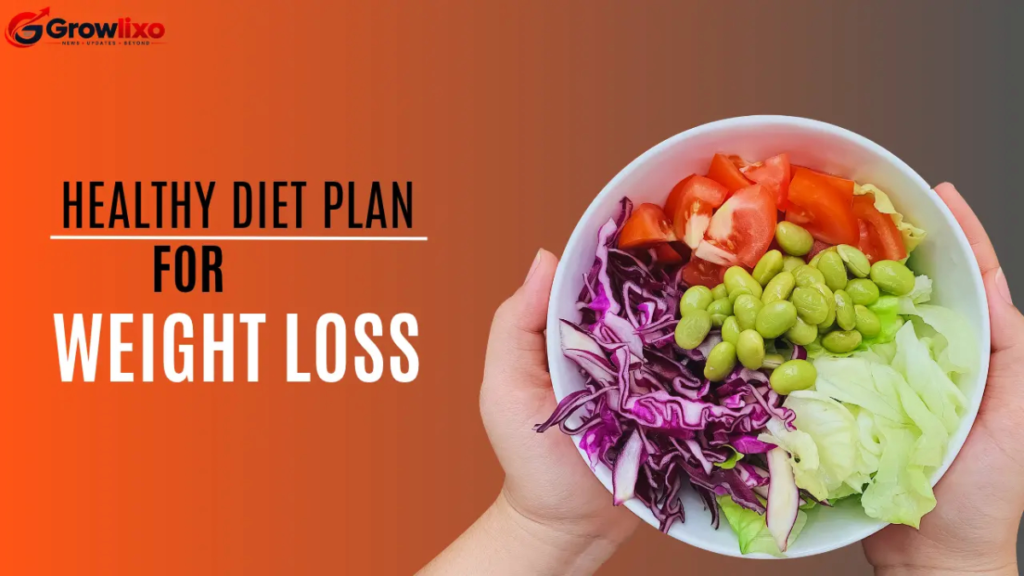
I believe fruits and vegetables are a part of a healthy diet. Fruits and vegetables add variety to meals. Give fiber, vitamins, minerals and water.I
enjoy spinach, broccoli, carrots, cucumbers, tomatoes, apples oranges and berries.
I try to put vegetables on half of my plate at lunch and dinner. Fresh fruit is also a snack, between meals.
Fiber tells me to eat fruits more often and to skip sugary fruit drinks as regular snacks.
Conclusion
A good diet plan for weight loss beginners should not be hard or expensive.
The foods can be simple, with measured portions of adequate protein and fiber distributed throughout the day, lots of water, and some regular physical activity.
Begin with realistic changes that work for you. Eating healthy and regular is better than dieting or quick fixes.
Have diabetes, pregnancy, or eating disorder. If you have another medical condition, talk to a licensed medical professional or a registered dietitian before making any drastic changes to your diet.