
How to Practice Emotional Fitness Daily: A Simple 5-Step Guide to Mental Resilience
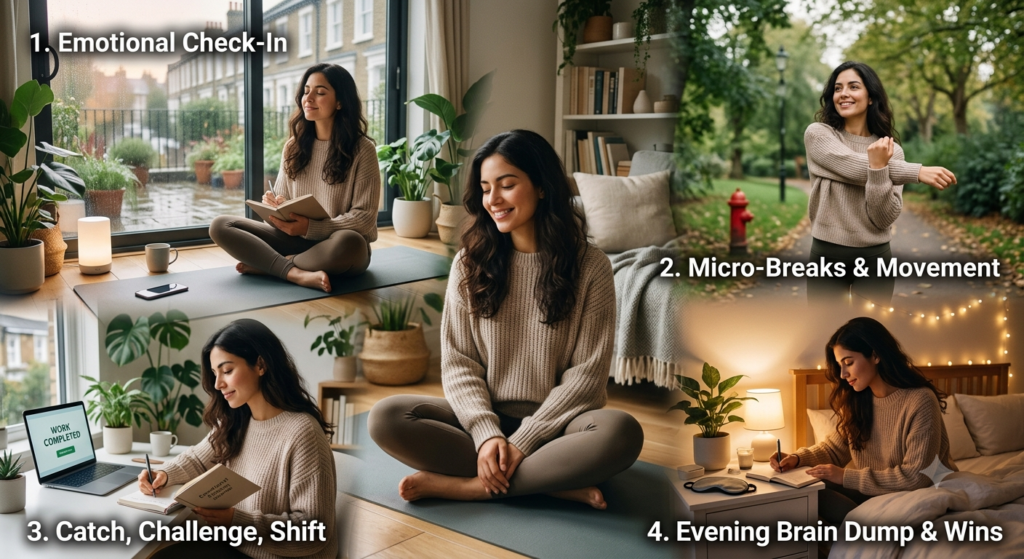
We spend hours planning our physical workouts, tracking steps, and tweaking our diets to keep our bodies strong. But what happens when workplace stress spikes, an unexpected personal hurdle appears, or daily exhaustion sets in? Physical endurance alone cannot prevent burnout—emotional fitness does.
Just as physical fitness strengthens your heart and muscles to handle exertion, emotional fitness conditions your brain and nervous system to regulate stress, process intense feelings, and respond thoughtfully rather than reacting out of frustration.
If you are ready to build a mind that is adaptable, resilient, and grounded, here is how you can practice emotional fitness daily in five practical, science-backed steps.
What Is Emotional Fitness (and Why Does It Matter)?
Emotional fitness is the intentional practice of building psychological strength, self-awareness, and emotional regulation. It is not about pretending to be happy all the time or repressing uncomfortable emotions. Instead, it is about giving your mind the agility to navigate challenges without feeling completely overwhelmed.
According to research highlighted by NHS Every Mind Matters, active self-care strategies and intentional daily habits significantly reduce psychological fatigue, improve focus, and protect long-term mental health.
When you train your emotional muscles consistently, you move from passive stress management to proactive mental resilience.
┌─────────────────────────────────────────────────────────────┐
│                 THE EMOTIONAL FITNESS LOOP                   │
│                                                             │
│   [ Awareness ] ──> [ Pause & Breathe ] ──> [ Physical Release ] │
│         ▲                                         │         │
│         └──────────────── [ Reframe ] <───────────┘         │
└─────────────────────────────────────────────────────────────┘
5 Science-Backed Ways to Practice Emotional Fitness Daily
1. Start with a 2-Minute “Emotional Check-In”
Most people wake up and immediately react to the outside world—checking emails, scrolling through news feeds, or rushing through morning routines. This puts your nervous system straight into fight-or-flight mode.
Instead, pause for two minutes every morning before reaching for your phone:
- Identify the feeling: Ask yourself, “What emotion am I carrying right now?” (e.g., anxious, rushed, calm, drained).
- Acknowledge the need: Ask, “What do I need today to feel balanced?” (e.g., setting a boundary at work, drinking more water, taking a lunchtime walk).
Why it works: In psychology, this is known as “Name it to Tame it.” Labeling an emotion engages the prefrontal cortex—the logical center of your brain—which dials down activity in the amygdala (the brain’s fear center).
2. Take Intentional “Micro-Breaks” Throughout the Day
Waiting until 6:00 PM to decompress from a high-stress day is like running a marathon without a single sip of water. Burnout happens when micro-stresses accumulate without recovery.
Integrate 1-minute micro-breaks into your workday:
- The 4-7-8 Breathing Method: Inhale through your nose for 4 seconds, hold your breath for 7 seconds, and exhale slowly through your mouth for 8 seconds.
- Do 3 cycles during task transitions, right before a tough meeting, or after reading a stressful email.
Controlled breathwork signals directly to your vagus nerve that you are safe, downshifting your heart rate and easing tension within seconds.
3. Use Physical Movement to Clear Stored Stress
Emotions are not just psychological; they are physiological responses. Unprocessed stress manifests physically as a tight jaw, elevated cortisol, shallow breathing, and stiff shoulders.
To complete what psychologists call the “stress response cycle,” you must move your body:
- Take a 15-minute outdoor walk at lunch without wearing headphones.
- Do light stretching between long sitting periods.
- Try a quick home mobility routine or a brisk evening jog.
NHS guidelines note that regular physical activity can boost overall mood and mental well-being by up to 30%, serving as a natural reset for emotional overload.
4. Practice Cognitive Reframing (Catch, Challenge, Shift)
When things go wrong, your brain’s default negative bias often jumps to worst-case scenarios. Emotional fitness teaches you to catch those automated thoughts before they spiral.
| Step | Technique | Example |
| 1. Catch It | Notice the negative impulse. | “I completely messed up that client presentation.” |
| 2. Challenge It | Ask: Is this 100% true? | “Did I fail completely, or did I just stumble on one slide?” |
| 3. Shift It | Reframe into a constructive statement. | “It wasn’t perfect, but the client got the main idea and I know what to fix.” |
Reframing is not toxic positivity; it is cognitive accuracy. It keeps minor set-backs from turning into full-scale emotional exhaustion.
5. Perform an Evening “Brain Dump” & Reflection
Ruminating over unfinished tasks or tomorrow’s to-do list is the primary killer of sleep quality. To signal to your brain that the day is finished, set aside 3 minutes before bed:
- Write a Brain Dump: Transfer every lingering task, worry, or reminder onto paper. Getting them out of your head tells your brain it doesn’t need to hold onto them overnight.
- Note 2 Small Wins: Write down two things that went well. It can be as simple as finishing a meal, having a good conversation, or taking a short walk.
Reflecting on daily wins rewires your brain to recognize progress, making it easier to rest and recover.
The Core Principles of Long-Term Emotional Fitness
Building emotional strength is a marathon, not a sprint. Keep these core guidelines in mind:
- Consistency Over Intensity: Doing a 2-minute breathwork exercise every day is far more effective than going on an intense 3-day wellness retreat once a year.
- Start Small: Don’t attempt to overhaul your entire life overnight. Pick one habit—like the morning check-in—and practice it for a week before adding another.
- Show Compassion, Not Judgment: You will have days where you lose your temper or feel overwhelmed. Emotional fitness is not about perfection; it’s about how quickly you gently bring yourself back to center.
Frequently Asked Questions (FAQs)
How is emotional fitness different from mental health?
While mental health refers to your overall state of psychological well-being, emotional fitness refers to the proactive habits and practices you use to build emotional strength, adaptability, and resilience. Think of mental health as your overall physical state, and emotional fitness as the workouts you do to maintain it.
How long does it take to see results from practicing emotional fitness?
Many people notice immediate relief in stress levels within minutes of using techniques like the 4-7-8 breathing exercise or an evening brain dump. However, long-term changes in emotional regulation and resilience typically take 3 to 4 weeks of consistent daily practice.
Can I practice emotional fitness if I have a busy schedule?
Yes! Emotional fitness does not require hours of meditation. Techniques like morning check-ins, micro-breaks, and cognitive reframing take between 30 seconds and 2 minutes throughout your day.
What should I do if I feel overwhelmed by negative emotions?
When emotions feel intense, focus on physical grounding first: feel your feet flat on the floor, focus on slow exhales, and step away from the immediate stressor. If overwhelming feelings persist, consider seeking support from a registered mental health professional or counselor.