
The UK’s Social Media Ban Trial for Teenagers: What Parents Need to Know
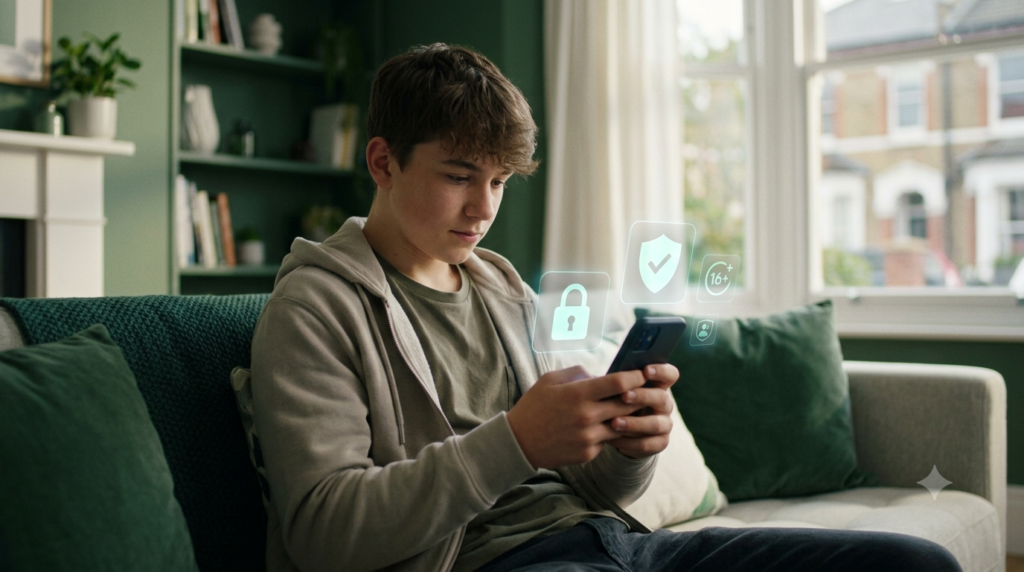
UK social media ban for teenagers
The conversation surrounding children’s digital safety in the United Kingdom has reached a critical turning point. As mental health concerns linked to screen time rise, the UK government and regulators are testing strict measures—including potential social media bans and age restriction trials for teenagers under 16.
For parents navigating this shifting digital landscape, understanding these upcoming trials, the technology behind age verification, and how to protect young users is essential.
Why Is the UK Considering a Social Media Ban for Teenagers?
The primary driver behind these trials is the growing body of research highlighting the impact of social algorithms on youth mental health, cyberbullying, and online exploitation.
Following the rollout of the Online Safety Act, regulators are pushing tech platforms like TikTok, Instagram, Snapchat, and Meta to take greater responsibility for vulnerable users. Key reasons for the ongoing trials include:
- Preventing Exposure to Harmful Content: Restricting algorithmic feeds that promote self-harm, extreme diets, or violence.
- Improving Mental Wellbeing: Mitigating sleep disruption, anxiety, and social pressure caused by excessive screen time.
- Enforcing Age Limits: Standardizing true age verification rather than relying on self-reported birth dates.
How Will the Social Media Restrictions and Trials Work?
Unlike simple age checkboxes of the past, the current trials involve strict technical mechanisms enforced by platforms under regulatory oversight.
1. Mandatory Facial Estimation and Digital ID
Platforms are testing facial age estimation software (which analyzes facial features via a selfie without storing image data) and reusable digital IDs to verify a user is at least 16 years old before granting access to specific features.
2. Default Restricted Modes for Under-18s
Teenagers who do pass age checks will automatically be placed into “Protected Accounts” by default. These settings include:
- Private Profiles: Accounts are automatically set to private, preventing strangers from messaging minors.
- Disabled Algorithmic Feeds: Content feeds will prioritize posts from followed accounts rather than algorithmically recommended viral content.
- Nighttime Screen Time Lockouts: Notifications and feed updates are paused during late-night hours to encourage healthy sleep habits.
What Does This Mean for UK Parents?
While regulations aim to create a safer web, primary responsibility still lands at home. Parents should prepare for several operational changes regarding how families manage devices:
- Verification Prompts: Parents may need to provide consent or verify their own identity to enable accounts for teenagers aged 13 to 15.
- Third-Party Verification Tools: Services like Yoti or government-backed ID verification may become standard across apps.
- Transition Period Challenges: Teenagers may seek workarounds using Virtual Private Networks (VPNs), making open communication at home vital.
Practical Steps for Parents to Safeguard Teenagers Online Today
You don’t have to wait for full legislation to secure your teenager’s digital environment. Here are immediate actions you can take:
- Enable Native Parental Controls: Utilize Apple Screen Time or Google Family Link to set hard daily limits on social media applications.
- Review Platform Safety Settings: Log into apps like TikTok and Instagram together to enable “Family Pairing” or “Parental Supervision” modes.
- Discuss Digital Literacy & VPN Awareness: Talk to your children about the risks of using unverified third-party tools or VPNs to bypass age restrictions.
- Establish Tech-Free Zones: Keep mobile devices out of bedrooms during sleeping hours to build healthy offline routines.
Frequently Asked Questions (FAQs)
What is the legal minimum age for social media in the UK?
Currently, most major social media platforms require users to be at least 13 years old. However, new trials and proposals aim to raise the threshold for unrestricted features or full platform access to 16 years old.
Can teenagers bypass social media age checks using a VPN?
While VPNs can alter a device’s virtual location, platforms enforcing biometric age estimation or digital ID verification cannot be bypassed simply by changing IP addresses.
Will parents be fined if their child accesses restricted apps?
No. UK legislation targets technology companies and social media platforms rather than individual parents or children. Fines are imposed on platforms that fail to comply with age-assurance regulations.